
North, south, east, west — everyone knows the basic directions. But could you actually navigate through the woods with nothing but a map and compass?
Five years ago, I couldn’t.
From Adventure Racing Rookie to Orienteering Addict
When we started adventure racing five years ago, Ryan already had a head start. Thanks to a childhood obsession with atlases, his map-reading skills were well above average. He understood contour lines, scale, and route planning.
Me? I knew what a compass was. That was about it.
After reading up on orienteering basics (thank you, Squiggly Lines), I finally began to understand how topographic maps worked. Fast forward to today, and I’m fully hooked on the Cascades Orienteering Club and their monthly events here in the Pacific Northwest.
Learning Orienteering Symbols the Hard Way
Last weekend marked our second event with the Cascades club. After our first race with them, I learned an important lesson: you need to know your orienteering symbols.
When I competed in Salt Lake City in the intermediate category, the symbols were labeled on the map. Advanced courses required memorization, but intermediates got a little help.
The Cascades Orienteering Club does things differently. Here, knowing the symbols is part of the deal — regardless of course level.
Luckily, Ryan found an online study tool that lets us review common orienteering symbols before each event. (Pro tip: if you’re new to orienteering, start studying early.) I studied the land form symbols ahead of the meet and found it helpful during the race, but I still have so much more to learn.
Navigating in the PNW: Hidden Trails & Thick Foliage
In last weekend’s event, my main goal was simple: avoid unnecessary mistakes. I failed miserably.
After making a few navigation errors, I realized I need to:
- Slow down.
- Trust my instincts.
- Double-check my bearings before committing.
In the Pacific Northwest, hidden trails are everywhere. Dense foliage can obscure paths that look obvious on the map. Measuring precise distances and translating them into step counts still isn’t my strength, so I rely heavily on major land features, trail intersections, and terrain changes.
It’s not perfect — but it’s progress.
Why Orienteering Became Our Favorite Outdoor Hobby
What started as a way to improve our adventure racing skills has quickly become one of our favorite outdoor activities.
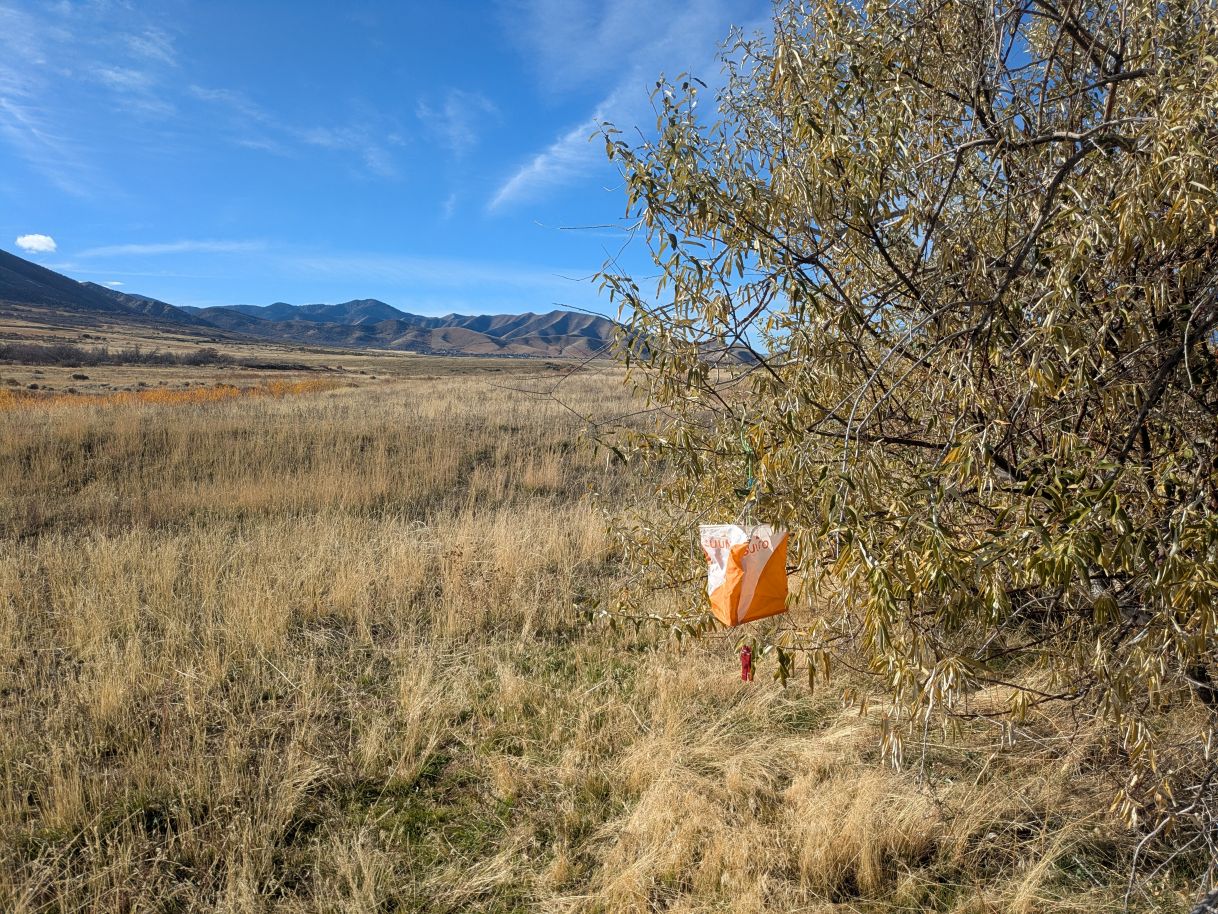
Orienteering is essentially a giant adult scavenger hunt — complete with strategy, problem-solving, and just enough chaos to keep things interesting.
And honestly, who doesn’t love a scavenger hunt?
Whether we nail every control point or wander in circles for a bit, I know one thing for sure: we’ll have a blast out there.
Leave a Reply